
High blood pressure, or hypertension, is often called the “silent killer.” Why? Because it usually shows no symptoms, yet quietly damages the heart, kidneys and blood vessels over time.
On World Hypertension Day, May 17, it’s a perfect moment to understand this condition, check your own numbers and take steps to protect your health.
Globally, over 1.3 billion adults are living with high blood pressure, and many don’t even know it. In England, roughly one in four adults has hypertension, but nearly a third of these cases go undiagnosed.
These numbers matter. High blood pressure is a leading cause of heart attacks, strokes and kidney disease, making awareness and early action critical.
Think of your arteries as a network of hoses carrying blood instead of water. Blood pressure is the force your heart uses to push blood through these vessels. It needs to be strong enough to deliver oxygen and nutrients but not so high that it damages the arteries.
Blood pressure is measured with two numbers:
Your blood pressure keeps your body alive and well by:
Too low, and organs may not get enough oxygen. Too high, and arteries and organs can be damaged over time.
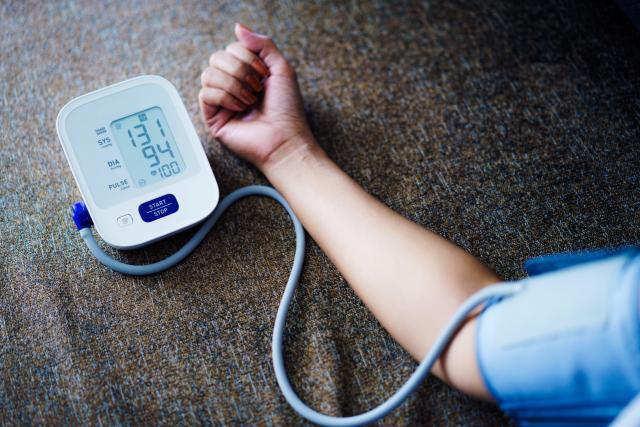
Checking your blood pressure is simple and can be done at a clinic, pharmacy, or at home with an automated blood pressure machine. For the most accurate reading:
Taking readings at different times of the day gives a better picture. Regular monitoring is especially important if you have a family history of hypertension or other risk factors.
Please click here for more details on how to measure your blood pressure.
Hypertension is dangerous because it often develops without symptoms. When left uncontrolled, it can lead to:
According to NICE guidelines:
Even slightly elevated blood pressure over time can be harmful, which is why prevention and regular monitoring are key.
If blood pressure readings are consistently above 180/120 mmHg, urgent same day medical attention would be required for further assessment. There could be a possibility of needing hospital admission to safely lower the blood pressure in a setting where close monitoring can occur.
High blood pressure is usually a combination of factors:
Most people won’t notice any symptoms. When they do appear, they might include:
Because these signs are non-specific, relying on symptoms alone is risky – screening is the safest way to detect hypertension early.
Doctors may confirm hypertension by:
Alongside further blood pressure measurements, doctors will usually order blood and urine tests as well as arranging for an electrical tracing of the heart (ECG).
These investigations help identify causes and assess for any organ damage.
Depending on blood pressure levels and results of investigations, treatment usually involves lifestyle changes and medications:
Working with a healthcare provider ensures the plan is safe and effective.
World Hypertension Day is a reminder to:
Communities around the world participate through public screenings, talks and media campaigns. Early detection saves lives, and small changes can make a big difference.
High blood pressure affects millions, yet it is largely preventable and manageable. This World Hypertension Day, take a moment to:
Your heart and your future will thank you.
Teladoc Health offers 24/7 Virtual GP services to employers, insurance providers & brokers and banks. Our virtual medical care offering spans Virtual GP, Second Medical Opinion, Virtual Physiotherapy, Virtual Nutrition and more. To get in touch about how our team can assist in offering virtual healthcare services to your team, click here to book a chat.